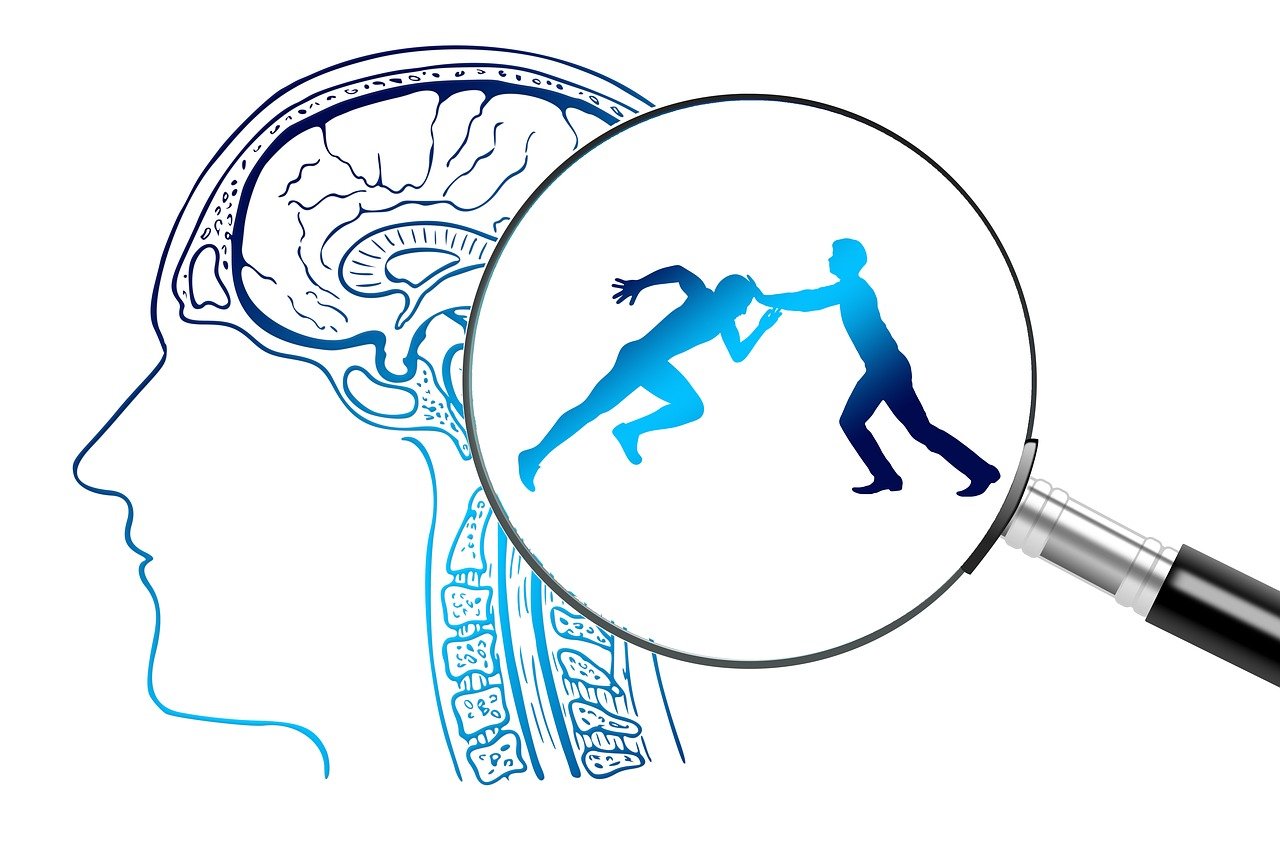
RSD Is Destroying Your Productivity (Here’s Why)
You sit down to write a quick Instagram caption and somehow two hours disappear. Not because you can’t write, but because your brain keeps whispering, “What if people think this is dumb?”
Or you avoid a simple business decision for weeks, not because it’s complex, but because picking “wrong” feels like it could lead to total disaster. That reaction is common for neurodivergent entrepreneurs, especially ADHD women, and it pours fuel on an already exhausting problem: decision fatigue.
In this post, you’ll learn what rejection sensitivity dysphoria (RSD) is, why it makes everyday choices feel high stakes, and what to do when it hijacks your ability to decide.
Understanding RSD and why it hits so hard
RSD is one of those things that sounds like “being sensitive,” until you feel it in your body. Then it makes more sense why you can’t just talk yourself out of it.
What RSD really is
Rejection sensitivity dysphoria (RSD) is an extreme emotional sensitivity to perceived or actual criticism, rejection, or failure. That “perceived” part matters. You don’t have to get rejected for your nervous system to react like you were.
A delayed reply can feel like you did something wrong. Neutral feedback can land like a gut punch. The reaction tends to be intense and immediate, and logic often arrives late to the party.
RSD commonly pulls on a few core fears:
- Disappointing people: You worry you’ll let someone down, even when expectations were never stated.
- Being seen as not enough: Your brain turns one imperfect choice into a story about your worth.
- Making mistakes: You treat normal trial and error like proof you “can’t do business.”
This isn’t the same as caring what people think in a casual way. It’s closer to your brain sounding an alarm that says, “Danger,” even when the actual situation is pretty ordinary. For a broader clinical explanation of how RSD shows up with ADHD and emotional regulation, see ADDitude’s overview of RSD.
RSD vs. regular rejection sensitivity
People use “rejection sensitivity” and “RSD” interchangeably, and in day-to-day life that’s usually fine. RSD is often described as more severe, but the exact label matters less than this question: is fear of rejection shaping your choices, slowing you down, or pushing you into shutdown?
If the answer is yes, the strategies are still relevant.
The neurological link to ADHD brains
RSD isn’t a personality flaw. It’s a neurological response that shows up often in ADHD brains. Your system reacts fast, then your thoughts scramble to explain the feeling. That’s why perfectionism can look like “high standards” on the outside, while on the inside it feels like self-protection.
Your brain learns a simple rule: “If I do it perfectly, I can’t be criticized.” The problem is that “perfect” is a moving target, and business requires visible choices, feedback, and iteration. So the rule breaks down fast.

How RSD hijacks your decision-making
RSD doesn’t just make you feel bad. It changes how decisions feel in your body, which changes how you behave.
Turning small choices into massive stakes
RSD takes a decision that should be light and turns it into a referendum on your competence. A low stakes choice suddenly feels like it could end everything.
Here’s how that escalation often sounds in your head:
- Social media: “What if everyone thinks I’m stupid and unfollows me?”
- Outreach: “What if they reject me and I never get another chance?”
- Pricing: “If I charge too much, people think I’m greedy, or if I charge too little, people think I’m not credible.”
Notice what’s happening: your brain inflates the stakes, then treats a neutral outcome (no reply, average engagement, a polite “no thanks”) like proof you failed. That emotional weight makes even simple decisions feel unsafe.
The two bad outcomes: paralysis or impulsive choices
When RSD ramps up, you tend to fall into one of two modes.
You hit paralysis, where you freeze and can’t decide because every option feels dangerous.
Or you swing into impulsive decision-making, where you pick something fast just to escape the anxiety. It’s not that you suddenly feel confident, it’s that the discomfort becomes intolerable, and any decision feels like relief.
Neither one is a great place to run a business from. Paralysis keeps you stuck, impulsivity creates messes you have to clean up later.
Perfectionism is RSD’s sneaky trick
Perfectionism often shows up wearing a “professional” outfit. It looks like being thorough. It looks like caring. It even looks like “doing it right.”
But underneath, it’s often RSD trying to create safety through control.
A few common patterns:
- You rewrite an email over and over, trying to remove any chance someone could misread it.
- You spend hours on the “perfect” caption, like the right wording can prevent criticism.
- You delay a launch until everything runs flawlessly, even when “flawless” is not realistic.
- You research every possible angle, because knowing more feels like it should calm the fear.
This approach doesn’t create safety, it creates delay. There is always one more tweak, one more article, one more opinion. At some point, research turns into procrastination, and waiting turns into an indefinite pause button.
Perfectionism isn’t about excellence. It’s fear in a cute outfit.
When decision fatigue and RSD team up
Decision fatigue is what happens when you’ve already made too many choices, and your brain is running low on mental fuel. Add RSD, and the choices you have left start to feel emotionally loaded.
Why they create a perfect storm
You’ve already made a hundred decisions today, what to answer first, what task matters most, what to eat, what to ignore, what to fix. Your mental resources are depleted.
Then RSD shows up and makes every remaining decision feel like it comes with a social penalty.
That cycle often looks like this:
- You make lots of decisions, your capacity drops.
- RSD makes the next decision feel high stakes.
- High stakes triggers anxiety.
- Anxiety drains you further.
- You hit shutdown (freeze, avoid, or melt down), then you criticize yourself for it.
That self-criticism can trigger more RSD, which loops you right back into the same stuck place. It’s a brutal pattern because it makes “simple” tasks feel impossible, and then it adds shame on top.
Where RSD hits hardest in business
RSD doesn’t show up evenly across all decisions. It tends to spike in areas where other people can judge you.
Common hot spots include:
- Visible decisions: social posts, launching an offer, applying to speak at an event.
- People-facing decisions: pricing, saying no, setting boundaries, giving feedback.
- Creative decisions: your ideas, your taste, your voice, your style.
- Strategy decisions: pivoting your model, discontinuing an offer, changing direction.
The common thread is potential judgment. When other people can see the outcome, RSD lights up and tries to keep you safe by keeping you small.

Spotting RSD red flags before you spiral
Some decisions really do need more info. But many “I need more info” moments are actually “I need more reassurance.”
Key signs it’s RSD, not a real info gap
These are strong clues that RSD has grabbed the steering wheel:
- You’ve researched way past reasonable (you’re basically on page 47 of Google).
- You’re asking for opinions you don’t truly need, because you want reassurance.
- The decision feels urgent and paralyzing at the same time.
- You keep replaying worst-case outcomes, and they’re all catastrophic.
- You’re more focused on avoiding being wrong than excited about being right.
- The stress feels wildly out of proportion (choosing a font feels as heavy as choosing a business partner).
Here’s the gut-check: when a decision feels life or death, but objectively it isn’t, that’s usually RSD. When you’re spiraling or frozen, that’s often RSD too.
Quick questions that interrupt the RSD cycle
When you catch the spiral starting, use questions that force reality back into the room:
- What’s the realistic worst-case scenario? Not the apocalypse version, the real one.
- Is this reversible? Most business decisions can be adjusted.
- Will this matter in six months, a year, or five years? Time shrinks the drama.
- Am I afraid of the decision, or potential judgment? Name what you’re actually afraid of.
- What would I tell a friend in this situation? You’re often kinder and clearer with others.
- What’s the cost of not deciding? Avoidance has consequences too.
These questions don’t erase the feeling, but they help you see the stakes more accurately.

Did you know I have a membership for women who want to improve their executive function skills? Check it out here.
Proven strategies to break RSD’s grip on decisions
You don’t need a perfect mindset. You need a repeatable method you can use even when you’re activated.
Six tools you can use right now
#1 Name it. Say it out loud or write it down: “This is RSD, not reality.” Labeling creates distance.
#2 Separate feeling from fact. You can feel like a caption will ruin everything, but the fact is it’ll be buried in the feed tomorrow.
#3 Set a hard deadline. Decide by a specific day and time, even if you don’t feel ready. Your fear won’t give you permission.
#4 Limit input sources. Choose ahead of time: you’ll ask your business bestie and your coach, then you decide. No polls, no 15-person committee.
#5 Use objective criteria. Instead of “How does this feel?” ask: does it meet your goal, yes or no? Does it align with what you’re building, yes or no?
#6 Practice with low stakes decisions. Build the muscle on choices that don’t spike your fear as much, then move up.
The long game: how resilience actually builds
This gets easier with practice, not because you become fearless, but because your pattern recognition improves.
Over time, you start noticing, “Oh, this is RSD,” faster. Reality-testing becomes more automatic. You build evidence that “wrong” decisions are rarely catastrophic.
You raise your price and most people don’t even comment. You post the thing you agonized over and it gets normal engagement, not a pile-on. You make a call you later change, and your business does not collapse.
That evidence matters. Your nervous system learns that decisions are survivable, even when they feel sharp in the moment. Every time you validate yourself instead of chasing approval, you strengthen that skill too.
Pitfalls that make RSD worse (and what to do instead)
Some habits feel helpful but keep the cycle going.
Five common mistakes to dodge
- Don’t wait for the fear to disappear. The fear often doesn’t move until after you act.
- Don’t over-research. More info rarely creates safety, it usually creates more “what ifs.”
- Don’t seek reassurance from unsafe people. Hypercritical people don’t calm RSD, they feed it.
- Don’t compare your choices to other people’s outcomes. Their audience, timing, and context are different, so it’s not useful data.
- Don’t beat yourself up for having RSD. Shame stacks onto fear and makes everything heavier.
A better approach is simpler: accept that RSD exists, admit it feels awful, then make the decision anyway. You’re not trying to feel great, you’re trying to move.

Your weekly challenge: one decision, one protocol, one deadline
Pick one decision where RSD is currently active. Choose the one you’re avoiding, catastrophizing, or spinning on.
Then run this simple protocol:
- Notice it (name RSD when it shows up).
- Reality-test it (use the interruption questions).
- Set a deadline (a real day and time).
- Gather limited info (no endless inputs).
- Apply criteria and decide, then practice self-compassion after.
Pay attention to what shifts when you separate feeling from fact. The feeling might still be there, but your perspective often gets clearer.
You don’t have to eliminate RSD to make progress. You just need a way to decide while it’s loud. Make the call, keep your deadline, and let the evidence stack up that you can handle what comes next.